
Starlink Mobile Explained: When SpaceX Becomes a Major U.S. Phone Carrier and How It Will Be Different
· Show Me My IP · Wireless & Telecom
With roughly $19.6 billion in EchoStar spectrum, new 800 MHz airwaves for indoor coverage and a Qualcomm-built 5G ground network, SpaceX is targeting early 2028 to take on AT&T, Verizon and T-Mobile.
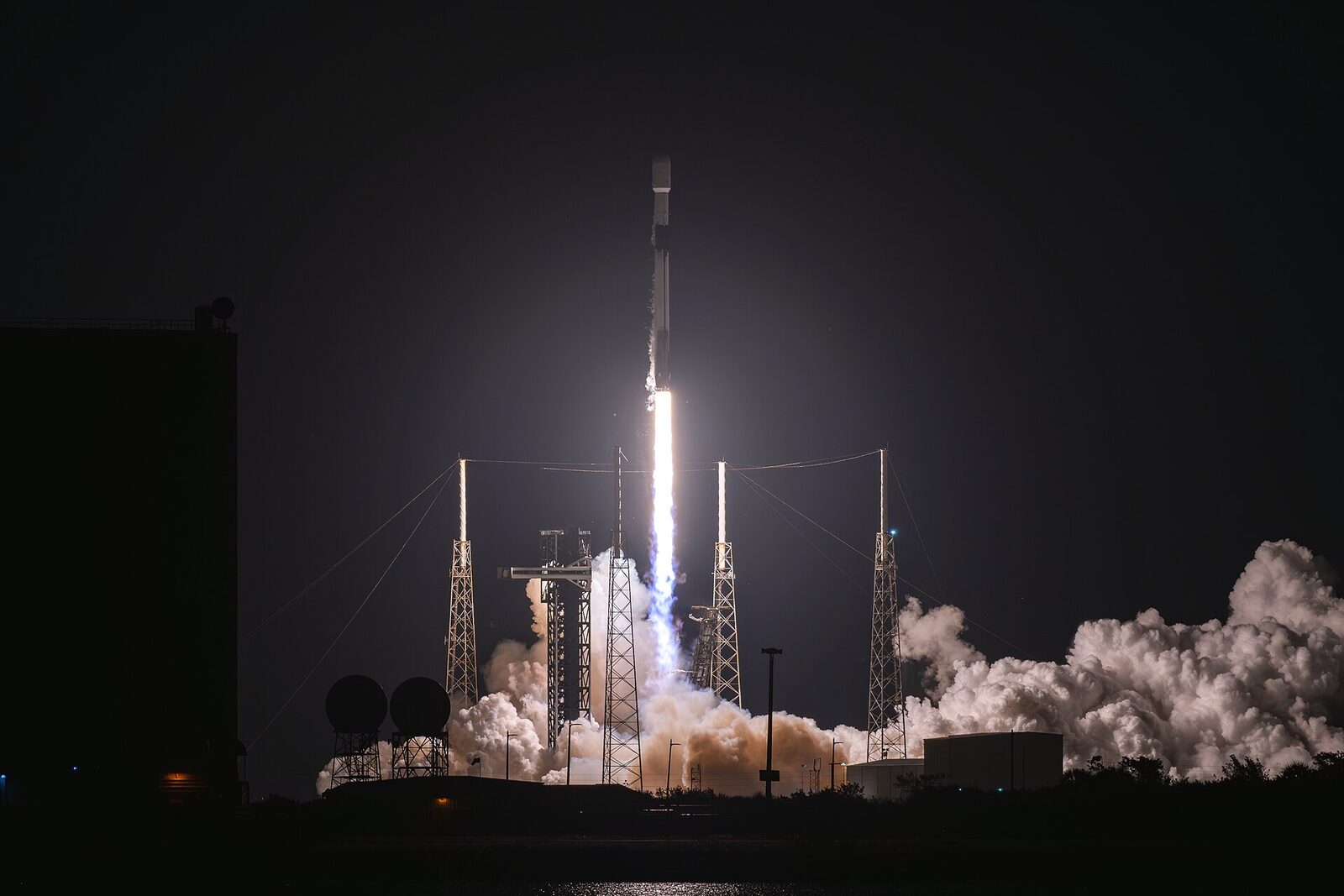
SpaceX is no longer content to be the satellite partner that fills in dead zones for other phone companies. The company now says its Starlink Mobile service is on track to become a major U.S. mobile carrier, with an expanded service switching on in early 2028 and a nationwide network of ground cell sites starting construction in 2027.
The latest step came Nov. 4, when Qualcomm announced that SpaceX had chosen its Dragonwing chips to power tens of thousands of Starlink Mobile base stations across the country. Combined with a string of spectrum purchases and FCC approval for 15,000 next-generation satellites, the deal turns Starlink from an add-on feature into a would-be fourth national carrier competing head-to-head with AT&T, Verizon and T-Mobile.
When will Starlink become a major mobile carrier?
The target is early 2028. SpaceX President Gwynne Shotwell said on the company's third-quarter earnings call that second-generation Starlink Mobile satellites will launch in 2027 and the expanded service will turn on in early 2028. The ground network, built on Qualcomm hardware, begins rolling out in 2027 and will expand in waves over several years.
In one sense, Starlink is already a big mobile player. Shotwell said Starlink Mobile, the rebranded Direct to Cell service, has passed 22 million monthly users. All of them reach it through partner carriers such as T-Mobile, mostly for texting and light data when they are out of tower range. What changes in 2028 is that Starlink plans to sell full phone service on airwaves it owns.
Several pieces still have to fall into place: FCC approval of a pending 800 MHz spectrum purchase, expected in the first half of 2027; a heavy satellite launch schedule; and thousands of tower sites. The bill will be large. One Evercore ISI analyst estimated that becoming a fourth U.S. carrier could cost more than $100 billion, a figure SpaceX has not confirmed.

How Starlink Mobile will be different from other carriers
Every current U.S. carrier was built from the ground up: towers first, with satellite coverage bolted on later through partnerships. T-Mobile works with Starlink, while AT&T and Verizon have backed rival AST SpaceMobile. Starlink is building the reverse. It starts with a satellite network that blankets the entire country, then adds ground towers where people cluster.
SpaceX says that will make Starlink Mobile the first network operator to deploy both satellite and terrestrial spectrum under one roof. The pitch is simple: towers handle cities and suburbs, satellites handle everything else, and customers stop seeing "No Service." Starlink Senior Vice President Michael Nicolls has framed the goal as ending dropped calls at home and on the road.
The new satellites are a major leap. The FCC has authorized up to 15,000 Gen2 Starlink Mobile satellites optimized for the 2 GHz band, and SpaceX says they will deliver more than 100 times the bandwidth of the current generation. That is the difference between emergency texts and a usable video call from a remote trailhead.
The ground network is modern by design. Qualcomm's Dragonwing QRU100 and QDU100 platforms will drive massive MIMO radios with 64 transmit and 64 receive paths, built for capacity and power efficiency across tens of thousands of sites. Qualcomm has described the partnership as groundwork for a future AI-native 6G network.

The EchoStar agreement: the spectrum that made it possible
None of this works without airwaves, and SpaceX bought its way in. In September 2025, it agreed to acquire EchoStar's AWS-4 and H-block licenses for about $17 billion: roughly $8.5 billion in cash, up to $8.5 billion in SpaceX stock, and about $2 billion in EchoStar debt interest payments through 2027. A follow-on purchase of AWS-3 licenses pushed the total to roughly $19.6 billion.
The FCC approved the transfer in May 2026, covering about 65 MHz of spectrum nationwide. Crucially, regulators added waivers allowing SpaceX to use those frequencies for terrestrial, satellite or hybrid networks. That flexibility frees Starlink from borrowing a partner carrier's spectrum to reach phones.
The EchoStar relationship may not be finished. The Washington Post reported on Nov. 2 that Elon Musk met EchoStar Chairman Charlie Ergen in October to discuss buying Boost Mobile, a prepaid carrier with about 7.4 million customers, or using its network access. Boost owns no towers, but it holds wholesale agreements with AT&T and T-Mobile that may not transfer without those carriers' consent. All three major carriers have publicly ruled out renting capacity to SpaceX, making Boost a possible side door.
Read our earlier coverage: SpaceX's $8 billion 800 MHz spectrum deal.
Potential Starlink Mobile pricing
SpaceX has not announced Starlink Mobile pricing. Today's partner offers provide clues. T-Mobile includes its Starlink-powered T-Satellite service on top-tier plans and has sold it as a roughly $10-a-month add-on. Overseas partners price it even lower; O2 in the U.K. sells a £3 monthly bolt-on.
A full, standalone phone plan is a different product, and any figure today is speculation. Two factors point toward aggressive pricing. SpaceX owns its spectrum rather than leasing it, and it can bundle phone service with Starlink internet, which already serves millions of U.S. homes. Bundled discounts and competitively priced unlimited plans look more likely than premium pricing. Still, the cost of building tens of thousands of cell sites will limit how low SpaceX can go.
Will SpaceX build its own Starlink phone?
Probably not soon. Musk wrote in February 2026 that SpaceX is "not developing a phone," though he left the door open to a very different kind of Starlink device someday. He later dismissed a July report about a prototype handset as false.
The real strategy is to put Starlink inside every phone. Musk has agreed that handsets launching in 2027 and 2028 will carry chipsets supporting Starlink Mobile's spectrum, and SpaceX has been hiring engineers to design custom RF chip modules that strengthen phone-to-network links. Because most current phones already support the 800 MHz band, millions of existing devices should work on Starlink's ground network from day one.
How Starlink plans to deliver adequate coverage inside buildings
Indoor coverage has been satellite-to-phone service's biggest weakness. A signal from orbit works well under open sky but struggles through roofs, walls and concrete. SpaceX acknowledged this "technical gap" on Oct. 8, when it agreed to buy Grain Management's entire nationwide 800 MHz portfolio: up to 14 MHz of paired low-band spectrum, a deal The Wall Street Journal valued at about $8 billion.
Low-band spectrum travels farther and penetrates buildings far better than mid-band frequencies, which is why incumbent carriers prize it. Paired with the Qualcomm-powered ground sites, the 800 MHz layer is designed to give Starlink Mobile the dependable in-building signal customers expect from AT&T or Verizon. Wi-Fi calling, a standard feature across carriers, could also help in homes already on Starlink internet, though SpaceX has not detailed its plans.
Expect a gap at first. The big three run on hundreds of thousands of cell sites, while Starlink's terrestrial build starts in 2027. Until that network matures, indoor service in dense urban buildings may trail the incumbents.
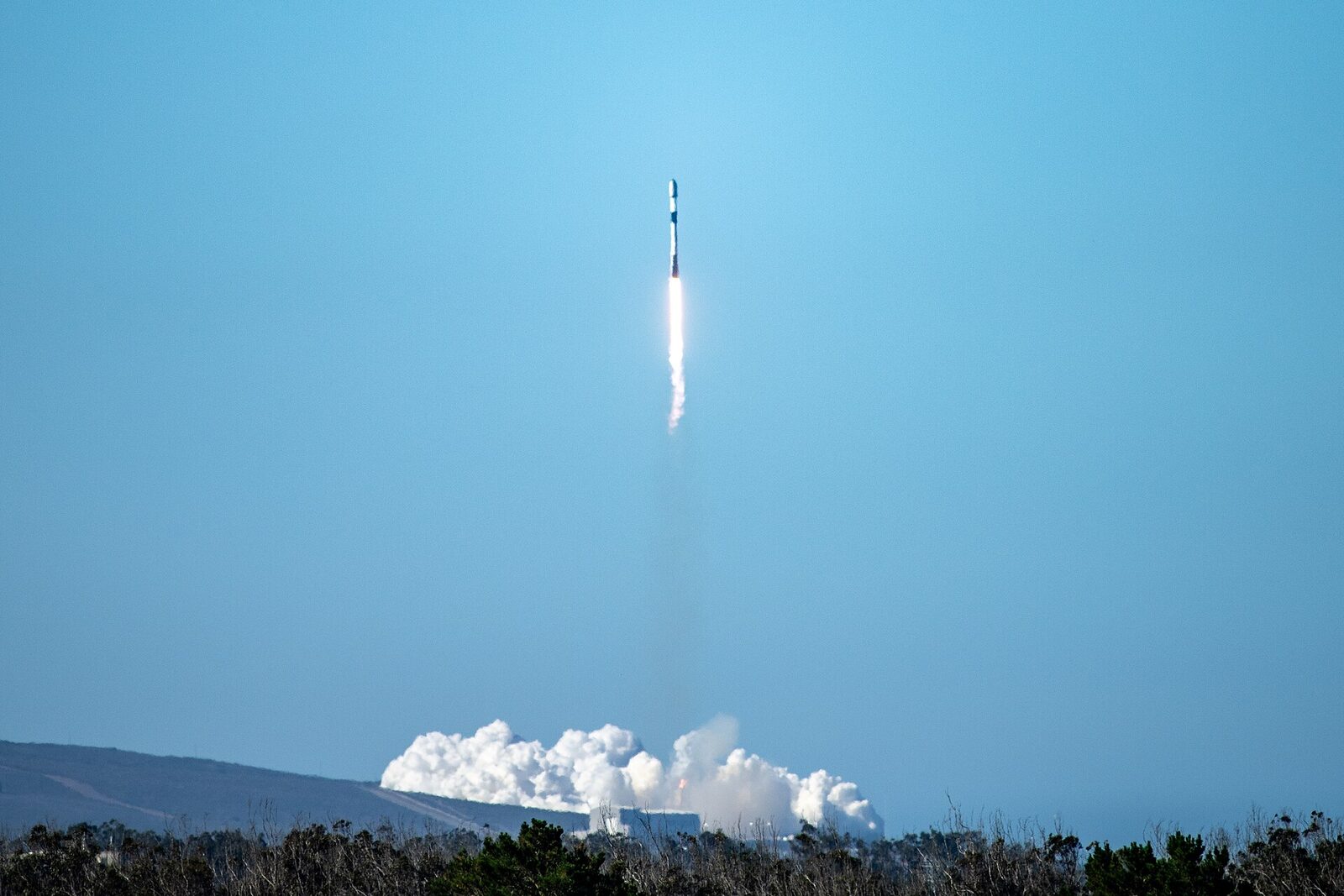
What Starlink Mobile means for consumers
For now, nothing changes: Starlink coverage remains available through partner carriers. Over the next 18 months, watch for FCC approval of the 800 MHz deal, the first Gen2 satellite launches, the outcome of the Boost Mobile talks and an official price sheet. If SpaceX delivers, U.S. wireless customers could get something they have not had in years: a genuinely new national carrier with coverage stretching from downtown high-rises to the middle of nowhere.
Frequently asked questions
When will Starlink Mobile become a full phone carrier?
SpaceX targets early 2028, after launching Gen2 satellites in 2027 and starting its ground network the same year.
How much will Starlink Mobile cost?
SpaceX has not announced pricing. Starlink satellite add-ons from partner carriers run about $10 a month in the U.S. today.
Is SpaceX making a Starlink phone?
Elon Musk says SpaceX is not developing a phone; the plan is for 2027–2028 phones from other makers to support Starlink's spectrum.
Will Starlink Mobile work inside buildings?
That is the goal of its 800 MHz low-band spectrum and ground cell sites, which penetrate walls far better than satellite signals.
What did SpaceX buy from EchoStar?
About 65 MHz of AWS-4, H-block and AWS-3 spectrum for roughly $19.6 billion, approved by the FCC in May 2026.
All photos are real photographs from Wikimedia Commons, credited in each caption and resized. They show Starlink launches, satellites, hardware and SpaceX leadership for illustration; none shows Gen2 Starlink Mobile satellites or ground sites, which have not been built.