
SpaceX’s $8 Billion Spectrum Deal: Can Starlink Mobile Become a Major U.S. Phone Carrier?
· Show Me My IP
SpaceX’s proposed purchase of Grain Management’s 800 MHz licenses could improve Starlink Mobile’s indoor coverage and advance a hybrid satellite-and-cellular network. The reported $8 billion deal still needs FCC approval.

SpaceX has agreed to buy a nationwide block of low-band wireless spectrum, its clearest move yet toward making Starlink Mobile a full U.S. phone carrier rather than only a satellite add-on offered through other companies.
Grain Management announced the agreement on October 8, saying SpaceX would acquire 100% of its nationwide 800 MHz spectrum portfolio. Neither company disclosed financial terms. The Wall Street Journal, cited by Fierce Network, reported a price of about $8 billion in cash. The acquisition remains subject to Federal Communications Commission approval and other customary closing conditions. [1] [2]
Elon Musk described the acquisition as “the last critical piece of the spectrum puzzle” needed for SpaceX to provide complete phone coverage in America. That is an ambition, not a service guarantee: licenses alone do not build a nationwide mobile network.
What SpaceX Is Buying: Grain’s 800 MHz Spectrum
The portfolio includes up to 14 megahertz of paired low-band spectrum, which SpaceX says will complement its existing 2 GHz mid-band holdings. The key distinction is between coverage and capacity: lower frequencies can travel farther and penetrate buildings more effectively, while mid-band airwaves can support greater capacity when enough spectrum is available.
The licenses have a long history. They came to T-Mobile through its merger with Sprint, which required their sale. Grain acquired the portfolio from T-Mobile in August 2026, following FCC clearance in July. T-Mobile received cash and Grain’s 600 MHz licenses in that transaction. The proposed sale now places those former Sprint airwaves at the center of SpaceX’s mobile ambitions. [3]
Fierce Network reports that the agreement may also allow T-Mobile to share in future proceeds under certain conditions. In other words, an established carrier could benefit financially from a transaction that strengthens a potential competitor.

Why Low-Band Spectrum Matters for Starlink Mobile
Indoor coverage is a major obstacle for any service trying to replace a conventional phone plan. Compared with higher frequencies, 800 MHz signals generally pass through walls and other obstacles more effectively. That makes the spectrum particularly valuable for a ground-based network serving homes, workplaces and rural communities.
But better propagation does not mean a satellite will automatically reach a phone deep inside a building. Satellite-to-phone links still face limits imposed by distance, antenna size, available power and interference. The acquisition improves SpaceX’s options; it does not erase those engineering constraints.
SpaceX says many existing phones already support the band. Even so, frequency support alone is not a promise that every handset will work with a future Starlink Mobile plan. Device compatibility, network certification and the final service design will matter.

From T-Satellite Add-On to a Hybrid Phone Network
For U.S. customers, Starlink’s phone connectivity is currently familiar through T-Mobile’s T-Satellite service. SpaceX’s broader plan is different: after regulatory approval, the company says it intends to combine its satellite-to-mobile constellation with an advanced terrestrial deployment. That would make Starlink Mobile a hybrid network, not a satellite-only substitute for cell towers.
The Grain agreement follows SpaceX’s earlier deal for EchoStar spectrum. SpaceX also says it received FCC approval this week to launch 15,000 satellites optimized for global 2 GHz service. That authorization is separate from the approval still needed for the Grain acquisition; permission to deploy satellites is not approval of every part of the mobile business.
SpaceX has outlined plans to launch upgraded Starlink satellites in 2027. Faster mobile service remains a target, not a measured result customers can count on today. The timetable depends on satellite launches, regulatory decisions and the rollout of the network itself.

Can Starlink Mobile Challenge AT&T, Verizon and T-Mobile?
The spectrum purchase gives the three largest U.S. carriers another reason to take SpaceX seriously. A company that controls both a growing satellite constellation and terrestrial airwaves could compete differently from a satellite partner that depends entirely on carrier agreements.
Still, AT&T, Verizon and T-Mobile retain large structural advantages: broader spectrum portfolios, dense cell-site networks, mature core networks and established customer relationships. Fourteen megahertz of low-band spectrum is useful, but limited. Satellites also have finite capacity, particularly where many users share coverage over a crowded city.
A terrestrial buildout would require tower access, permits, equipment and substantial investment. Another possibility, raised by Fierce Network, is that SpaceX uses its new holdings to negotiate a wholesale arrangement with an existing carrier rather than building every part of a nationwide network itself.
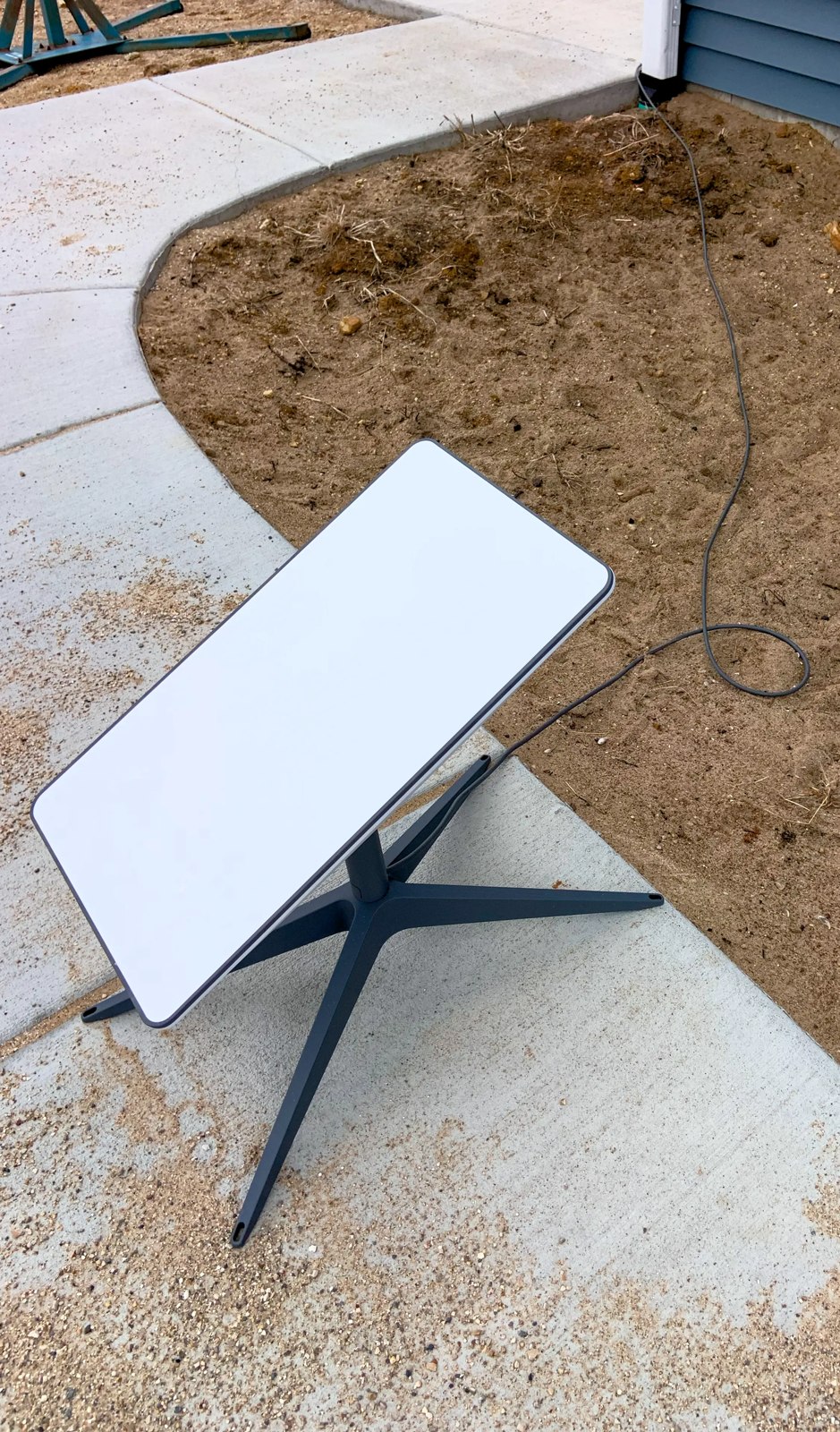
What the SpaceX Spectrum Deal Could Mean for Phone Plans
The most plausible early opportunities are at the edges of the market: rural customers poorly served by towers, secondary phone lines, and households that already use Starlink broadband. A future bundle could appeal to those customers, although SpaceX has not announced the final pricing or terms of a standalone U.S. mobile plan.
Over time, the larger effect might be competitive pressure on prices rather than an immediate wave of customers abandoning the established carriers. A credible additional national option could make it harder to raise rates, especially where consumers currently have few reliable alternatives.
For now, the milestones to watch are FCC approval of the Grain deal, next-generation satellite launches, evidence of a terrestrial rollout, and actual Starlink Mobile pricing and compatibility details. The carriers do not need to panic, but SpaceX can no longer be viewed only as a satellite partner.