
Meta VR Glasses Review: The Headset That Finally Looks Like Eyewear
September 24, 2026
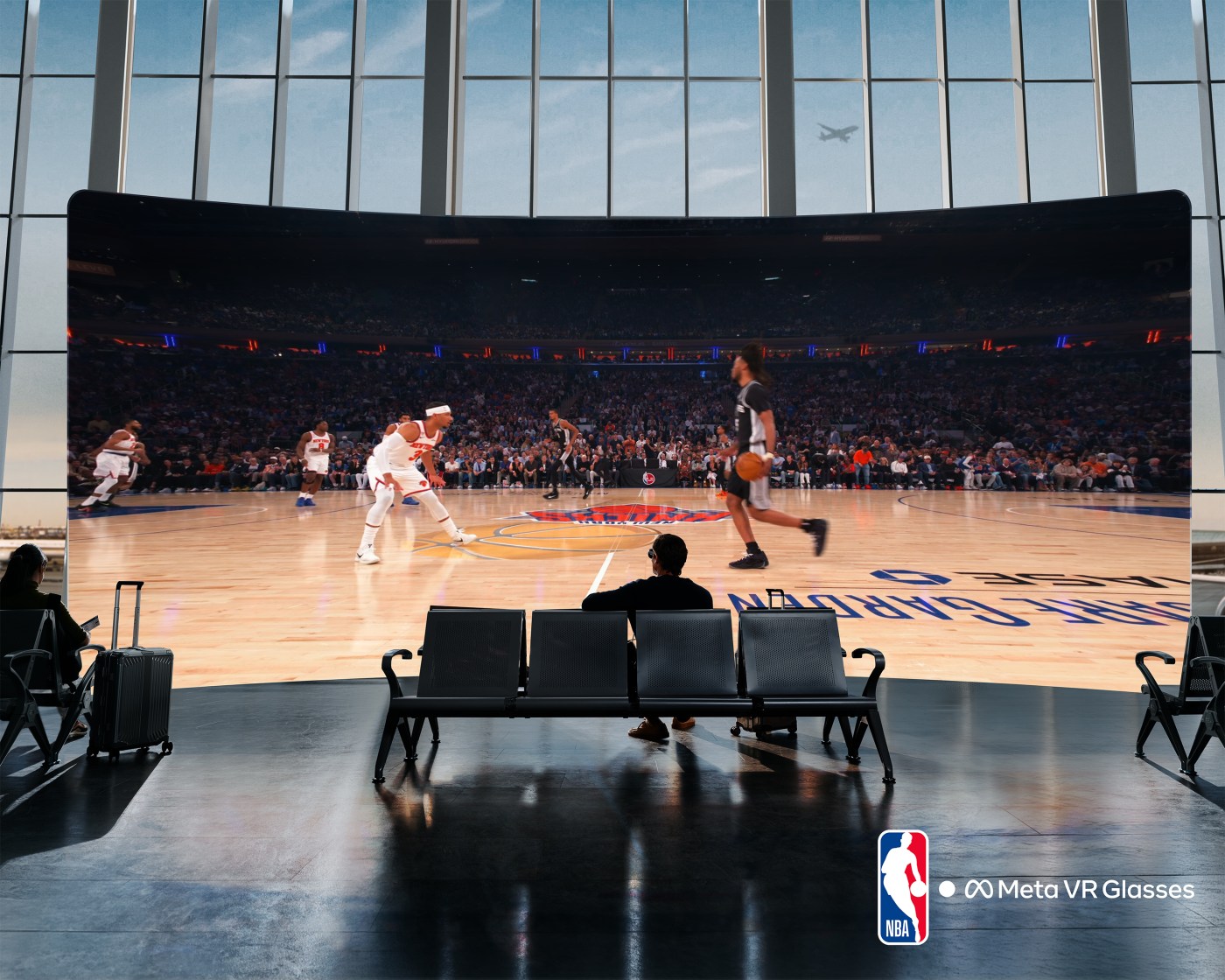
For a decade, virtual reality has asked the same thing of its users: strap a brick to your face and accept the sweaty forehead, the red marks, and the neck strain that come with it. With Meta VR Glasses, Meta is trying to end that bargain. Unveiled at Meta Connect 2026, the device is pitched as eyewear that delivers an IMAX-grade cinema experience and full spatial computing. Based on the specifications and early hands-on reports, that pitch is closer to reality than most VR marketing, but it comes with real trade-offs.
Price and Release Date
Meta VR Glasses are priced at $1,299.99 in the US. That covers 128GB of storage, a microSD slot for cards up to 1TB, and a 45W USB-C power supply. No microSD card and no controllers come in the box.
Meta says the glasses go on sale in spring 2027, and preorders have not opened. Its product page is taking email sign-ups for launch news, but there is no exact release date yet.
That price puts the glasses in an odd middle ground. At $1,299.99, they cost more than four times as much as Meta's $299 Quest 3S, while still undercutting Apple in both cost and size — the comparison Meta clearly wants buyers to make.
Design: The Puck Changes Everything
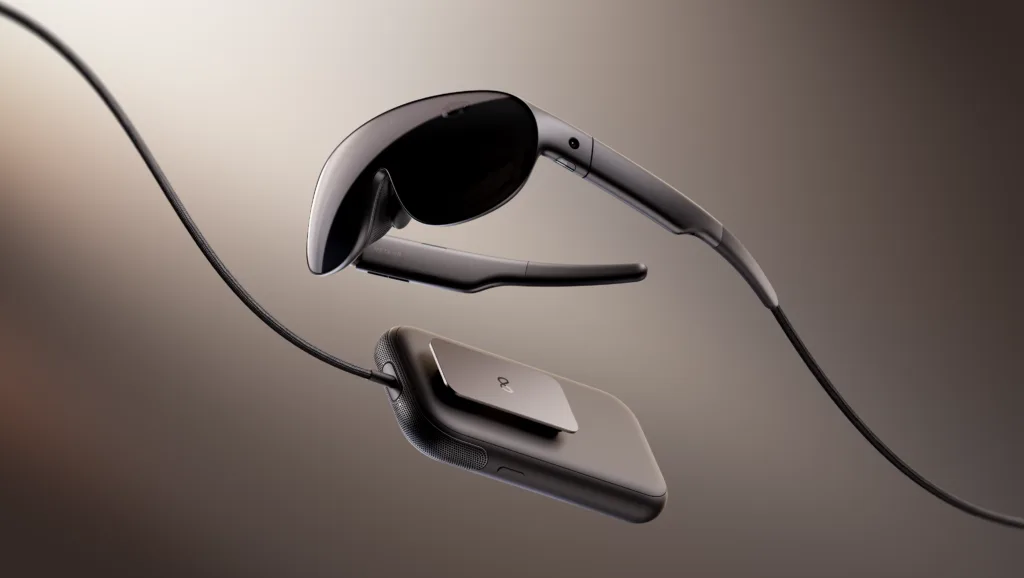
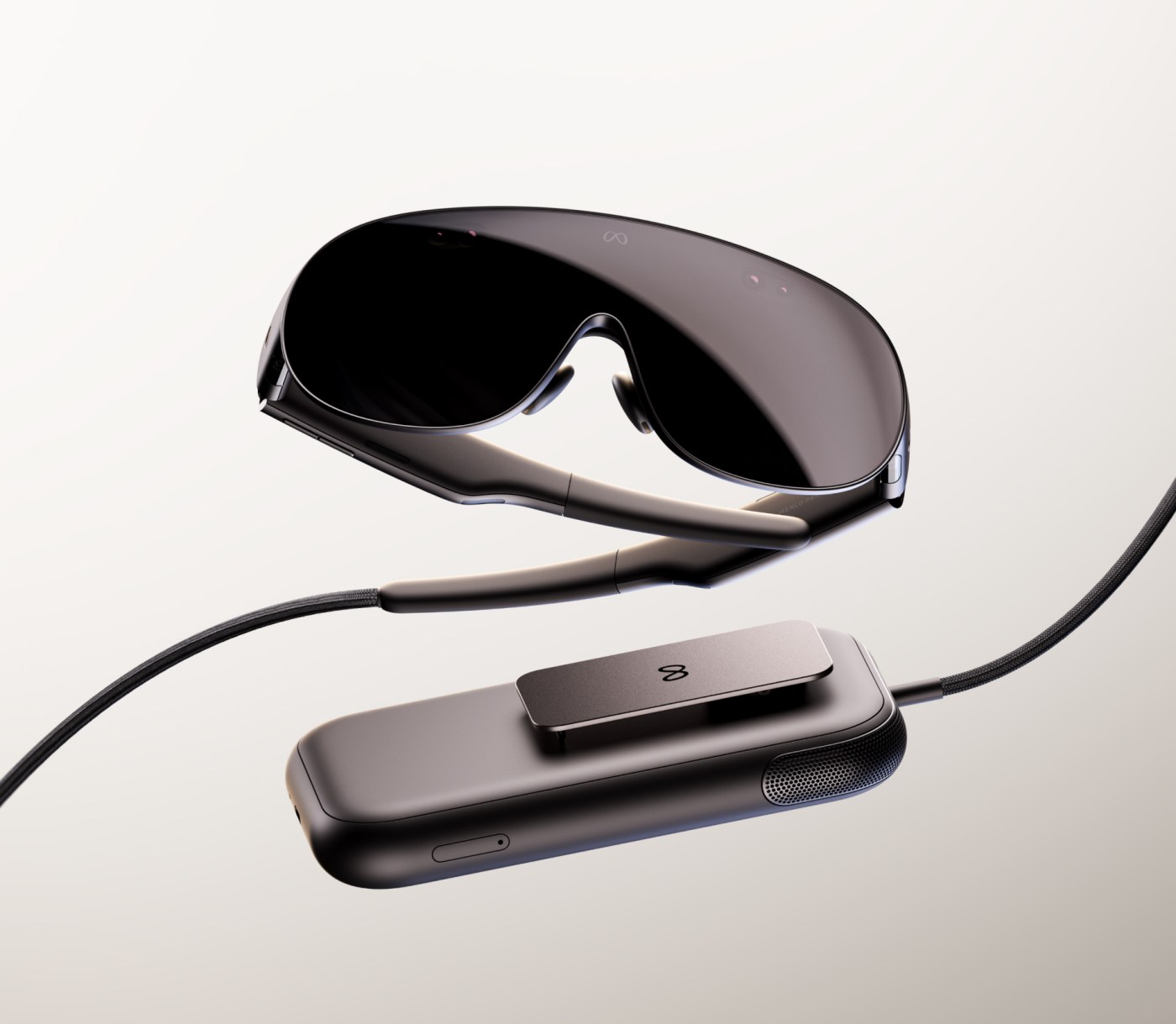
The most important design choice is what Meta took out of the headset. The processor, cooling fan, battery, and other computing components are housed in an external pack that can clip to a pocket or rest on a table. Meta's previous headsets built those components into the headset itself, while Apple's Vision Pro offloads only the battery.
The result is dramatic. The glasses weigh about 100 grams, which Meta compares to a deck of cards and says is five times lighter than Quest 3. The Quest 3S, for reference, weighs 514 grams. Only the glasses sit on your face, with no head strap.
The catch is that the weight did not vanish. It moved. The roughly phone-sized puck weighs about 300 grams, and the glasses must remain connected to it by cable. Everything runs on Qualcomm's Snapdragon Reality Elite chipset. Whether a cable from your face to your pocket feels liberating or annoying will likely depend on how you use the device.
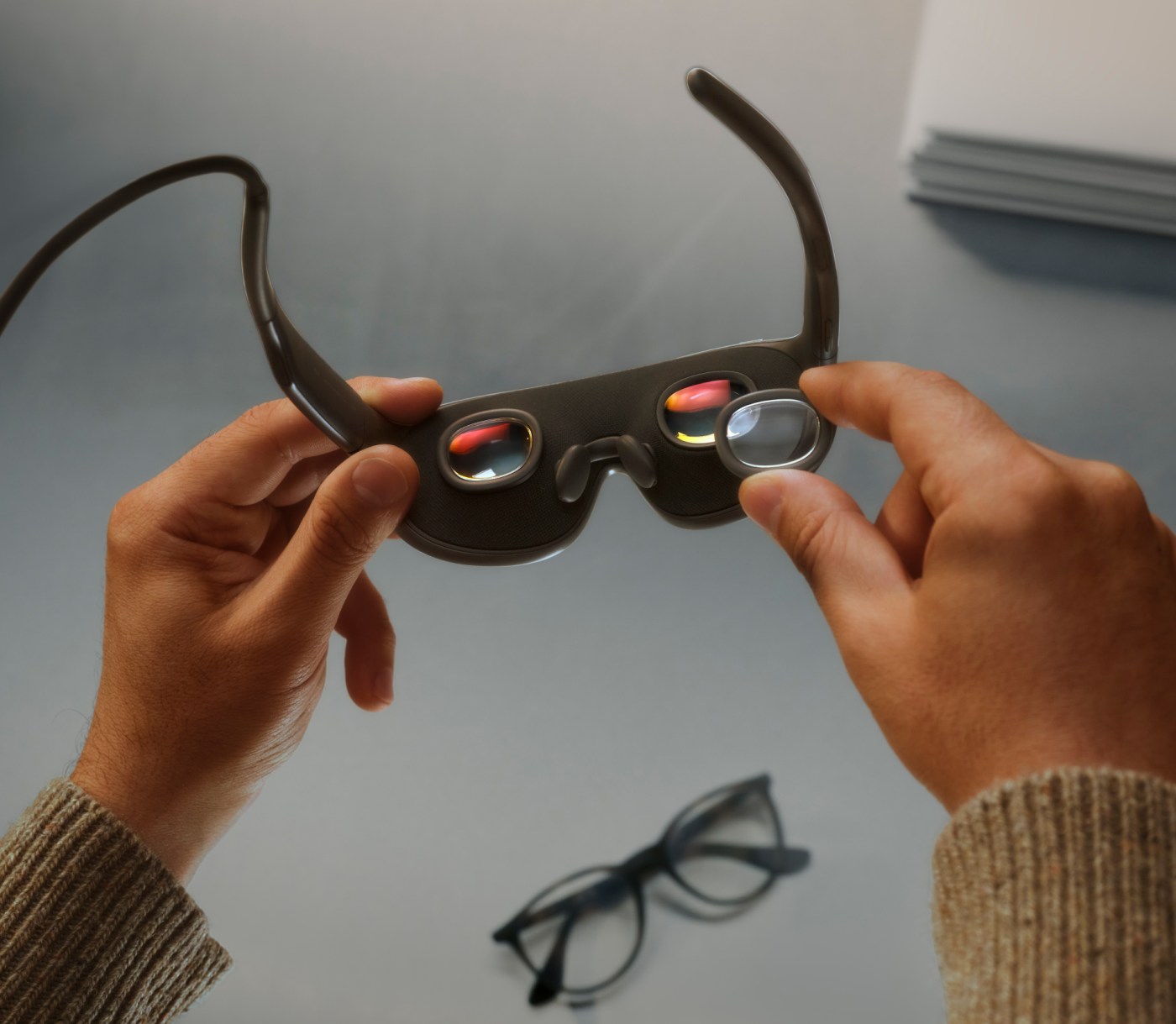
Fit matters more than on past Meta headsets because the lens sweet spot is not as large as Quest 3's. The device comes in Standard and Large sizes, includes adjustable nose pads, and lets each lens move independently for a 56–70 mm interpupillary distance. Prescription add-ons are also available.
Display: Sharp, but Narrow
This is where Meta VR Glasses both shine and compromise. Meta calls it the 5K Infinite Display, using micro-OLED panels at 2,412 by 2,288 pixels per eye and 37 pixels per degree, notably higher than Quest 3's 25 pixels per degree.
The tighter field of view is the biggest compromise in the package. Its 70-degree horizontal field of view is noticeably smaller than Quest 3's 110 degrees. The display can feel more like a sharp screen floating in front of you than a vision-filling spectacle.
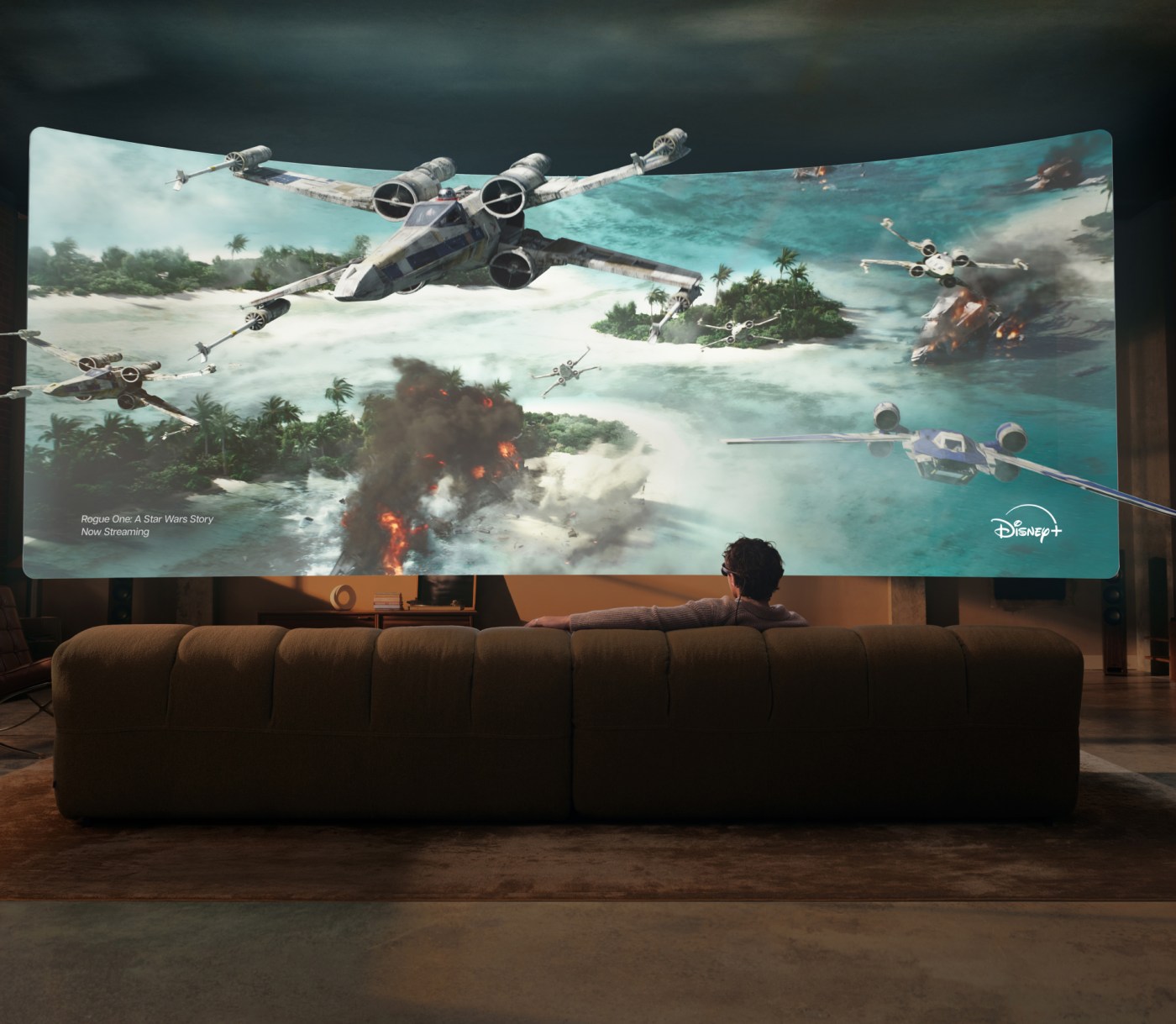
Meta is leaning into that reality by positioning the device as a personal cinema. It is billed as the first IMAX Enhanced-certified VR device, with Dolby Vision certification and Dolby Atmos support through built-in audio.
Controls, Software, and Productivity
There are no controllers in the box, and that is by design. You look at a button to highlight it, pinch your fingers to select, and rub your thumb to scroll. Gamers are not left out entirely, as the glasses support Quest Touch Plus controllers sold separately. Voice is the third input, with Meta's AI agent built into the operating system.
Productivity is a major selling point. The glasses can show one large virtual display or several smaller ones, and the puck supports USB-C DisplayPort input, so a laptop, phone, or gaming handheld can appear as a virtual screen. That could make this a compelling travel monitor for laptop users.
Hologram adds a social angle by creating a photorealistic digital version of you with real-time expressions for WhatsApp video calls, similar in concept to Vision Pro's Personas.
Battery Life
This is the weakest specification on paper. Early reports put battery life at three hours for media playback, with a 45-minute recharge. That is fine for a movie, but a full workday of virtual monitors will require an outlet or a battery pack. Because the battery lives in the puck and not on your head, plugging in during a session should be less awkward than with a traditional headset.
What Early Testers Are Saying
Since the glasses are not on sale yet, impressions come from journalists who attended Meta's demonstrations, and the early response is mostly enthusiastic. Reviewers praised deep blacks, clean motion, bright micro-OLED panels, and unusually convincing color passthrough without visible stitch lines or noticeable latency.
The broad takeaway is that the light frame changes how approachable extended reality feels. The caution is equally consistent: the narrow view, cable, price, and limited battery prevent this first generation from being an easy recommendation for everyone.
The Competition
Meta will not have the space to itself. Samsung and Google are preparing their own glasses running Android XR, with designs from Warby Parker and Gentle Monster. Meta's pitch is aimed at prosumers and productivity-minded buyers who want something smaller and lighter than Apple Vision Pro or Samsung Galaxy XR.
Verdict
Meta VR Glasses are the most convincing argument yet that VR's future looks like eyewear, not ski goggles. The 100-gram frame, class-leading pixel density, excellent passthrough, and laptop-mirroring puck make them genuinely appealing for movies, travel, and work.
But the narrow field of view, three-hour battery, tethered puck, and $1,299.99 price mean this is not a Quest replacement for gamers chasing full immersion. It is a premium personal theater and portable workspace.
If that is what you want, sign up for launch alerts and wait for full reviews in spring 2027. If you want the widest, most immersive VR for the money, the Quest line remains the smarter buy.
Pros
Extremely light on the face, sharp micro-OLED display, excellent passthrough, no controllers needed, and video input from other devices.
Cons
Narrow field of view, short battery life, tethered puck, premium price, and no release until spring 2027.