
How to Find Hidden Cameras in Hotel Rooms, Airbnbs and Public Bathrooms
· Show Me My IP · Privacy & Security
Spy cameras now cost less than a night's stay and hide inside chargers, smoke detectors and outlets. Here's how to spot a hidden camera, which detection devices actually work, and what to do if you find one.

Tiny surveillance cameras have never been cheaper or easier to hide, and travelers keep finding them in the most private places.
In July 2025, a guest at an Airbnb rental in Madison, Wisconsin, called police after spotting a lens in an electrical outlet. Investigators said two cameras had been glued behind outlet plates in two bathrooms, aimed at the toilet and shower, and were recording to memory cards. Airbnb suspended the host. Months earlier, a family in Scottsdale, Arizona, sued a host and the platform after finding a hidden camera whose memory card, according to the lawsuit, held footage dating back to 2020.
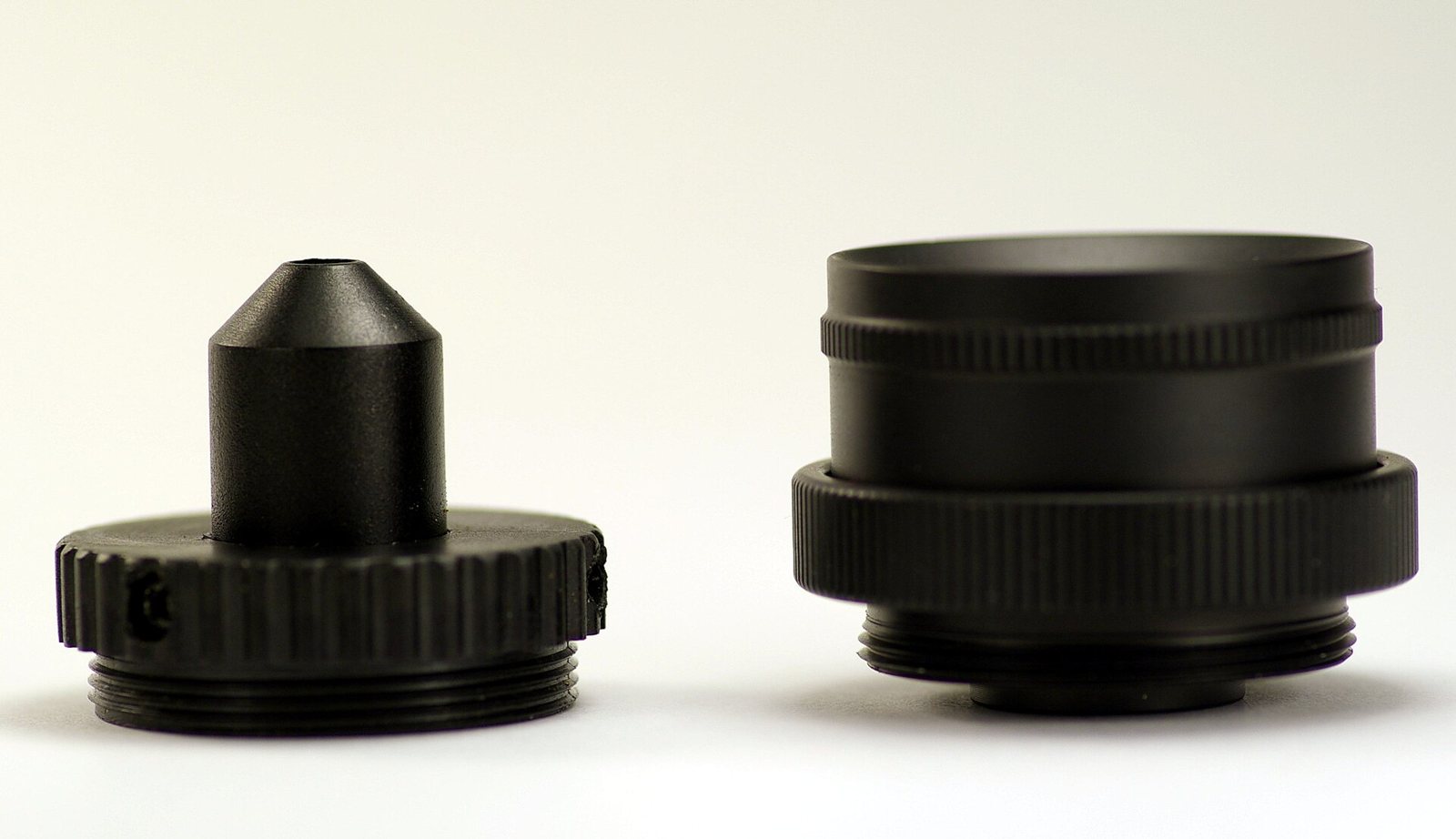
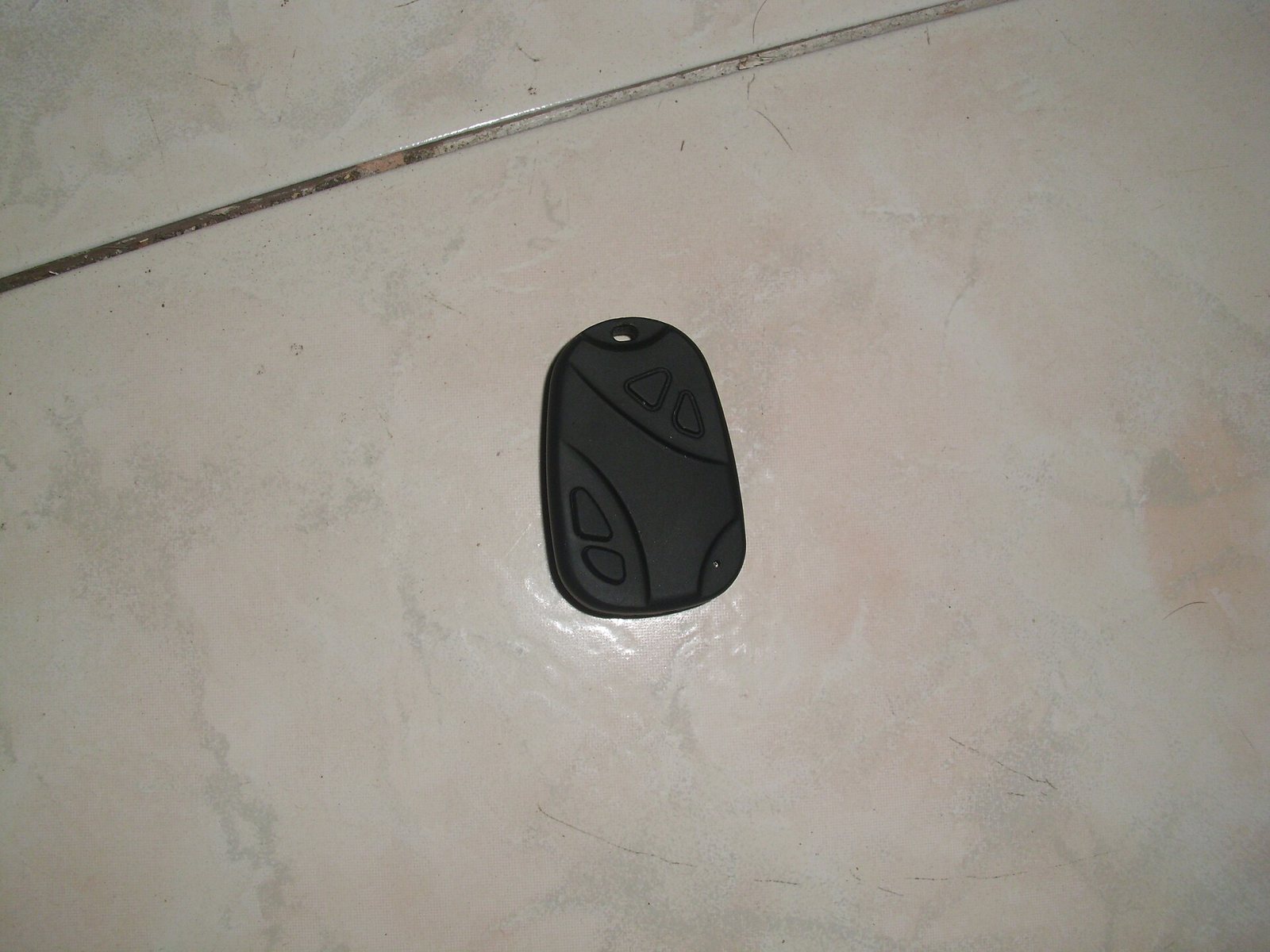
The problem isn't limited to vacation rentals. Hidden cameras have turned up in hotel rooms, gym locker rooms, public restrooms and changing rooms. The devices are mass-market products: a working USB wall charger with a built-in camera sells online for about the price of a dinner out.
The good news: most hidden cameras can be found with a smartphone, a few minutes and a methodical approach.
Where hidden cameras hide
Every spy camera needs two things: power and a clear view. That's why installers favor objects that stay plugged in and face beds, showers or toilets.
Check these first:
- Smoke detectors and carbon monoxide alarms, especially one mounted directly over the bed
- USB chargers, power strips and wall outlets
- Alarm clocks, Bluetooth speakers and digital picture frames
- Air vents, light fixtures and ceiling tiles
- Mirrors, tissue boxes, decor and stuffed animals
- TVs, streaming boxes and Wi-Fi routers
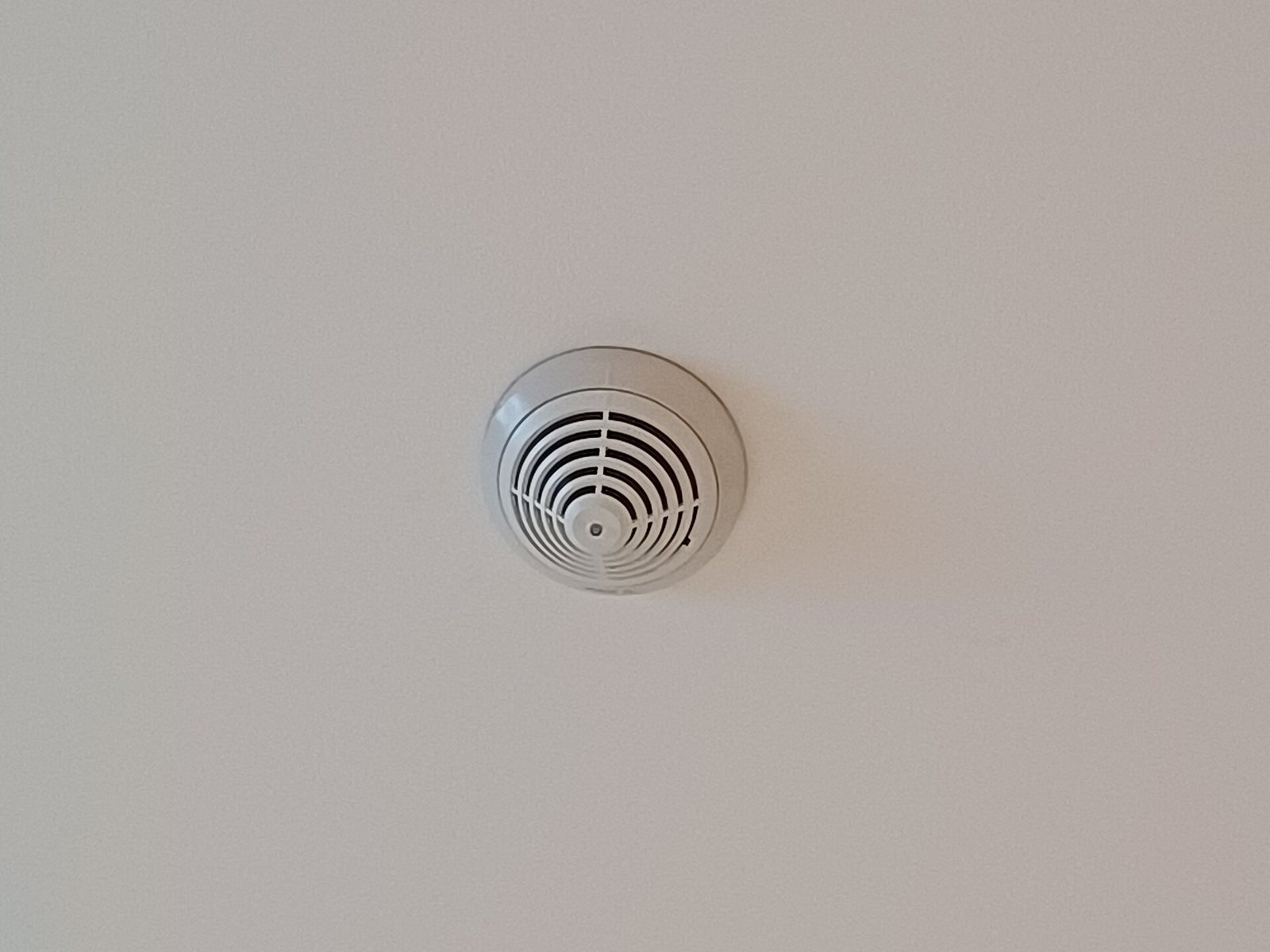
In a public bathroom, focus on whatever faces the stall or changing area: hooks on stall doors, toilet paper and towel dispensers, hand dryers, ceiling vents and gaps in partitions. Anything that looks drilled, taped or out of place deserves a second look.
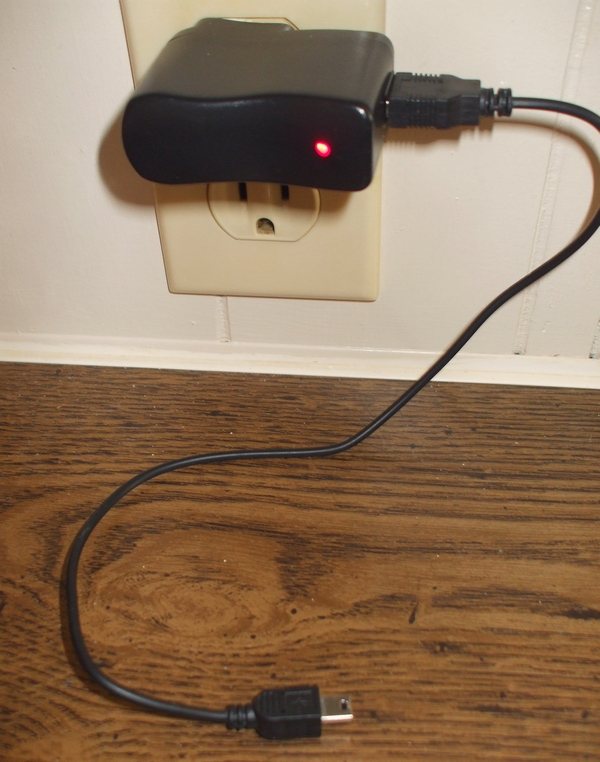
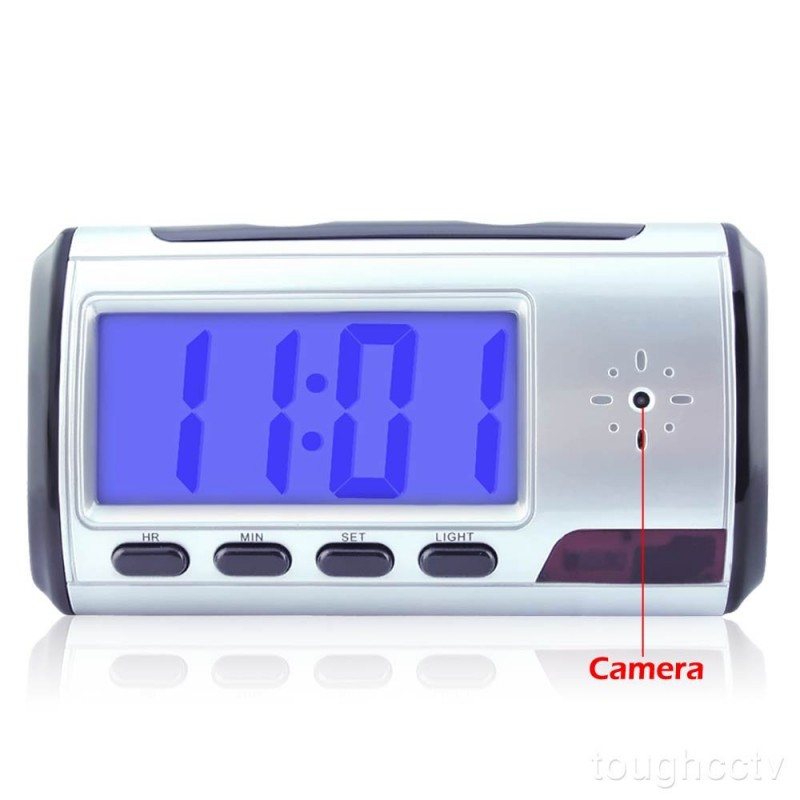
How to detect a hidden camera: a 10-minute room sweep
Security experts recommend layering several checks, because each method catches a different type of spy camera.
- Think like an installer. Stand at the bed, shower and toilet. Note every object with a line of sight to them. Look for pinholes, odd wires, memory card slots and redundant devices, such as two smoke detectors in one small room.
- Do the flashlight test. Turn off the lights, hold your phone's flashlight beside your eye and sweep slowly across the room. A camera lens reflects a small, steady pinpoint of light back at you. Shift your position; if the glint stays fixed on the same spot, investigate. This free method works even on cameras that are switched off or record to a memory card.
- Check for infrared light. Many cameras use infrared LEDs to see in the dark. That light is invisible to your eyes but often shows up on a phone camera as purple or white dots. Test your phone first by pointing a TV remote at it and pressing a button. If the remote's LED glows on screen, your phone can spot IR. Front cameras sometimes work better than rear ones.
- Scan the Wi-Fi network. Join the property's network and run a free network-scanner app to list connected devices. Names like "IPCam" or known camera brands are red flags. This only catches cameras on that network.
- Inspect the mirrors. The popular fingernail test is unreliable. Instead, darken the room and press a flashlight against the glass. A two-way mirror may reveal a space or a lens behind it.
- Unplug or cover what you don't need. Put the alarm clock in a drawer, drape a towel over the TV and unplug unfamiliar chargers.
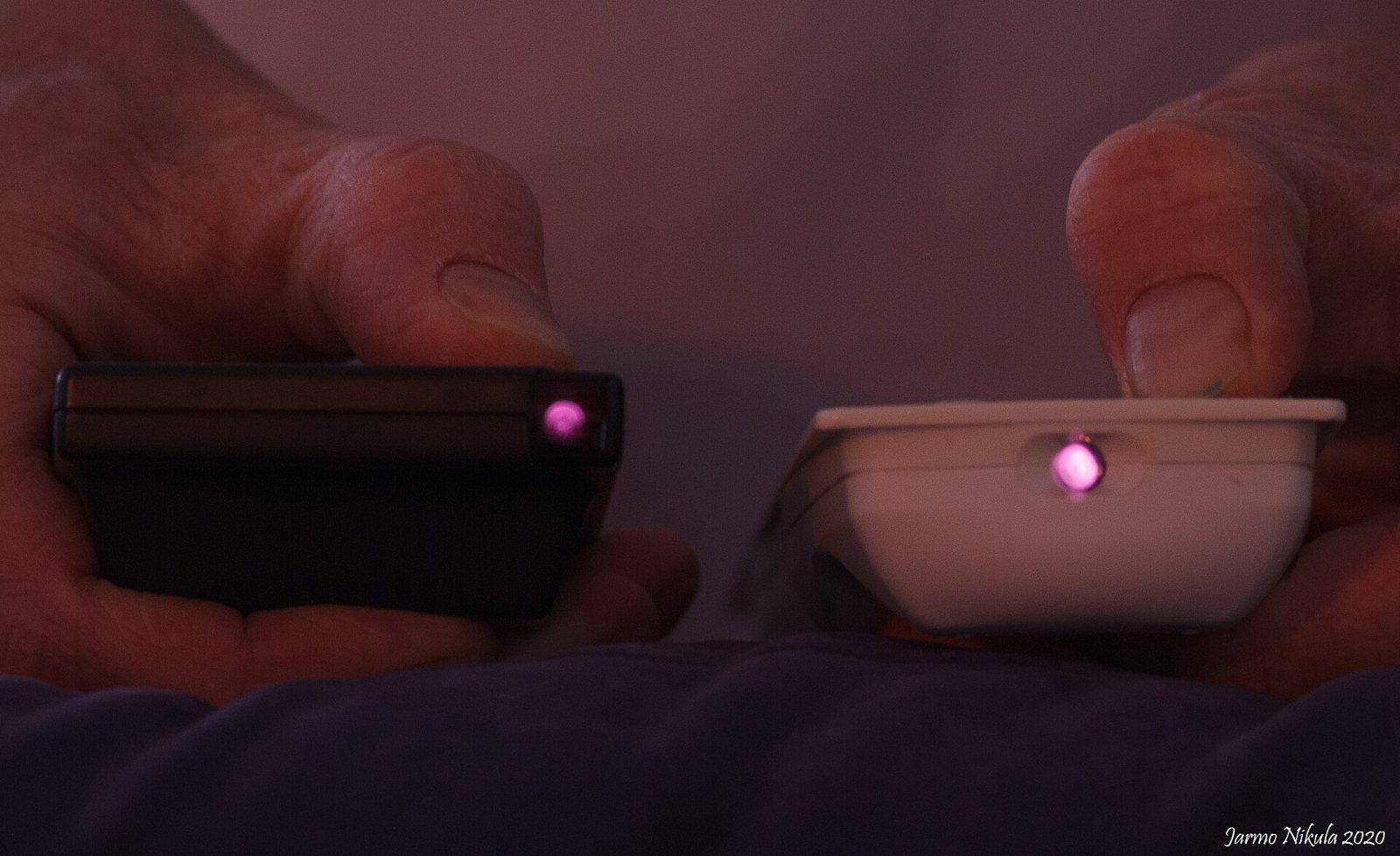
Do hidden camera detectors work?
Detection devices help, but none is foolproof. Knowing their limits matters.
Lens finders (from about $20) surround a tinted viewfinder with a ring of red LEDs. They make the flashlight test faster and catch cameras whether or not they're transmitting. For most travelers, this is the most useful single gadget.
RF (radio frequency) detectors (from about $30) beep near devices sending wireless signals. They can find a camera streaming live video, but they also react to phones, routers and smart TVs, so expect false alarms. A camera that saves footage to a memory card emits no signal and is invisible to an RF detector, the same kind of camera found in the Madison case.
Combination detectors pair RF scanning with a lens finder and suit frequent travelers.
Phone apps vary widely. Network scanners do useful work. Apps that claim to sense cameras with your phone's magnetic sensor are largely unreliable.
Better tools are coming. A 2024 study presented at the USENIX Security conference detected all 50 cameras it tested, including offline ones, by flicking room lights on and off and reading the electromagnetic signals from each camera's memory chip. For now it remains a lab prototype.
The rules: what's allowed and what isn't
Airbnb banned indoor security cameras in all listings worldwide as of April 30, 2024, no matter where they are placed or whether they are disclosed. Doorbell and outdoor cameras are still allowed if hosts disclose them before booking, but they may not watch private outdoor areas such as outdoor showers or saunas. Hosts who break the rules can lose their listing and account.
Hotels may use cameras in lobbies, hallways and other public areas, but not in guest rooms or bathrooms. Under state voyeurism laws across the U.S., secretly recording people in bathrooms, bedrooms or changing areas is generally a crime, and the federal Video Voyeurism Prevention Act covers federal property. Laws vary by state and country, so check before traveling abroad.
What to do if you find a hidden camera
- Don't tamper with it. Avoid handling the device and leave the memory card in place. It may be key evidence.
- Document everything. Photograph and video the device, its location and what it was pointed at. Screenshot the listing and your booking.
- Get somewhere safe. Leave if you feel unsafe, and don't alert the host or owner before police are involved.
- Call the police. File a report and keep the report number.
- Report it to the platform or hotel. Use Airbnb's in-app safety reporting or 24-hour safety line. At a hotel, go to management and ask for a new room or a refund. In a public restroom, alert the business manager.
- Consider legal advice. Guests have sued hosts and platforms over hidden cameras. An attorney can explain your options.
The bottom line
The odds that any given room hides a camera are low, but the stakes are high. A short sweep on arrival, a small lens finder in your bag and a plan for what to do next are your best protection.
Frequently asked questions
Can my phone detect hidden cameras?
Partly. Your phone's flashlight can reveal lens reflections, its camera can often see infrared night-vision lights, and a network-scanner app can list cameras on the Wi-Fi you join.
Do hidden camera detectors really work?
Lens finders catch any camera with a visible lens. RF detectors find only cameras that are transmitting, so they miss devices that record to memory cards.
Are hidden cameras allowed in Airbnbs?
No. Airbnb has banned all indoor security cameras since April 30, 2024. Disclosed doorbell and outdoor cameras are allowed.
Is it illegal to put a hidden camera in a bathroom?
Secretly recording people in bathrooms, bedrooms or changing areas is generally a crime under U.S. state voyeurism laws.
What should I do if I find a hidden camera?
Don't touch it, photograph it in place, get somewhere safe, call police, then report it to the platform or hotel.
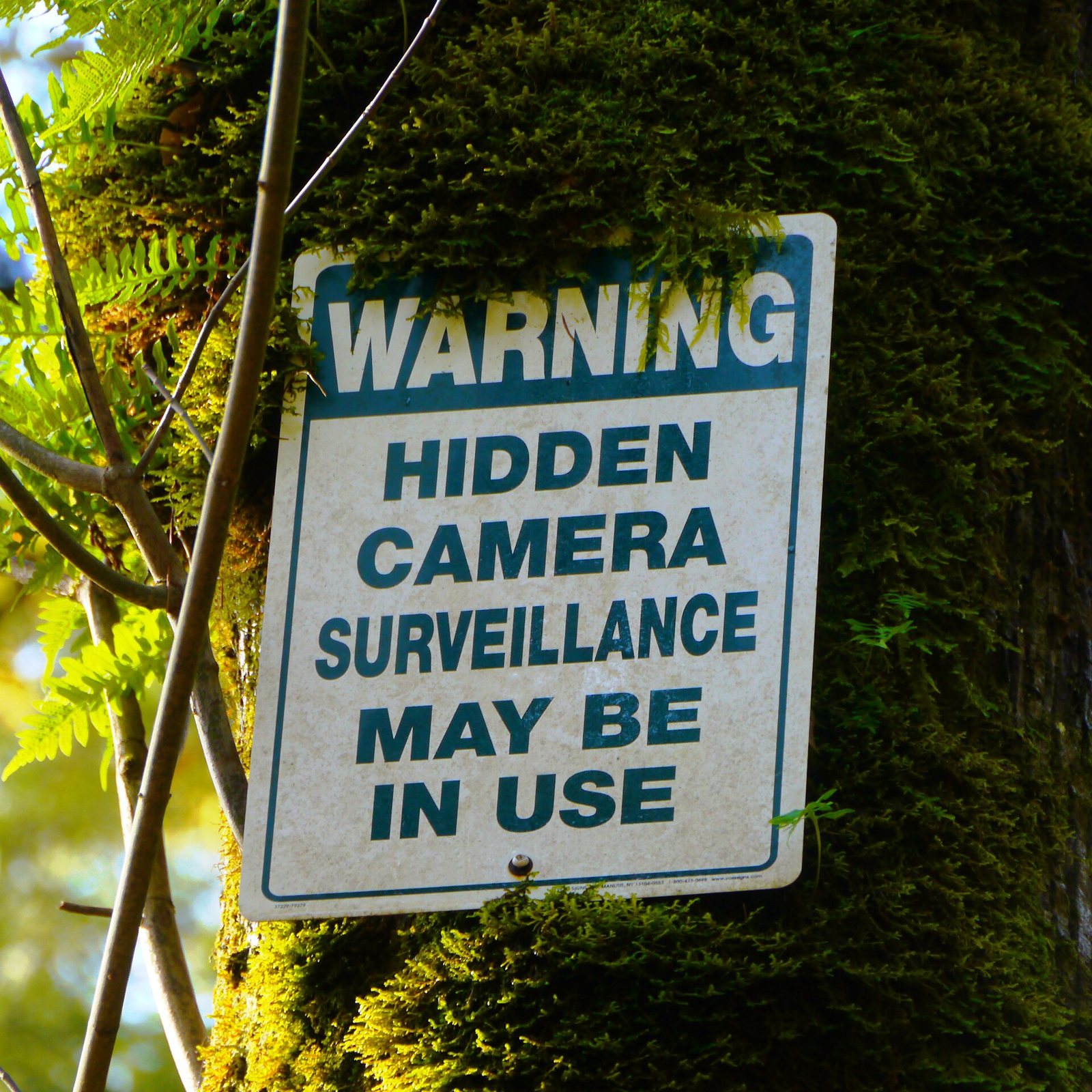
All photos are real photographs from Wikimedia Commons, credited in each caption and resized. They show everyday devices and spy camera products for illustration, not the devices from the cases described.