
Flock Cameras: Safety Tool or Surveillance Net?
October 3, 2026
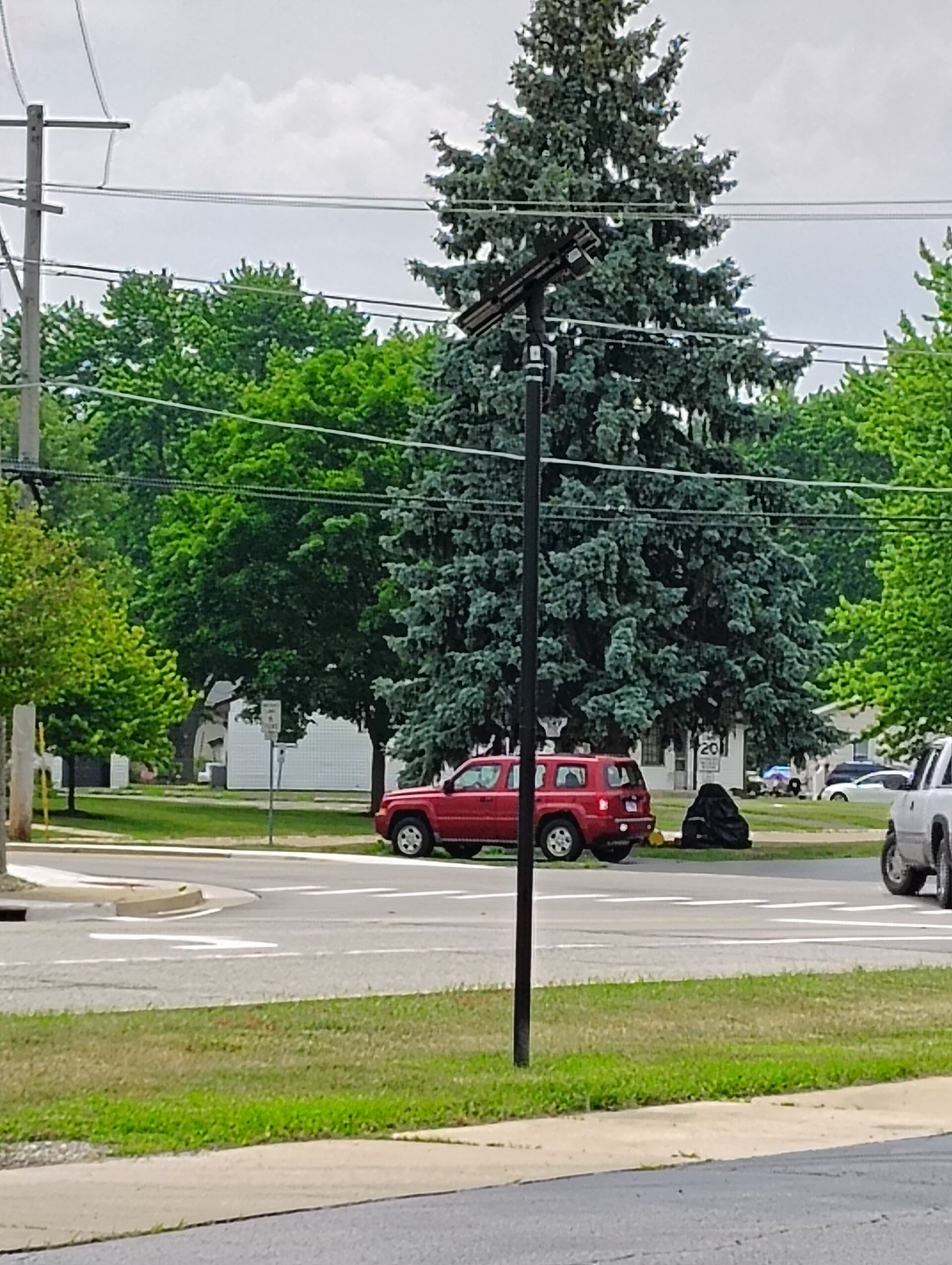
I drove past it for weeks before I really saw it: a slim black camera bolted to a pole near an intersection I use every day, topped with a small solar panel and pointed squarely at the lane of traffic I sit in each morning. No sign. No public notice I remember reading. Just a quiet lens, photographing every car that rolled by, mine included.
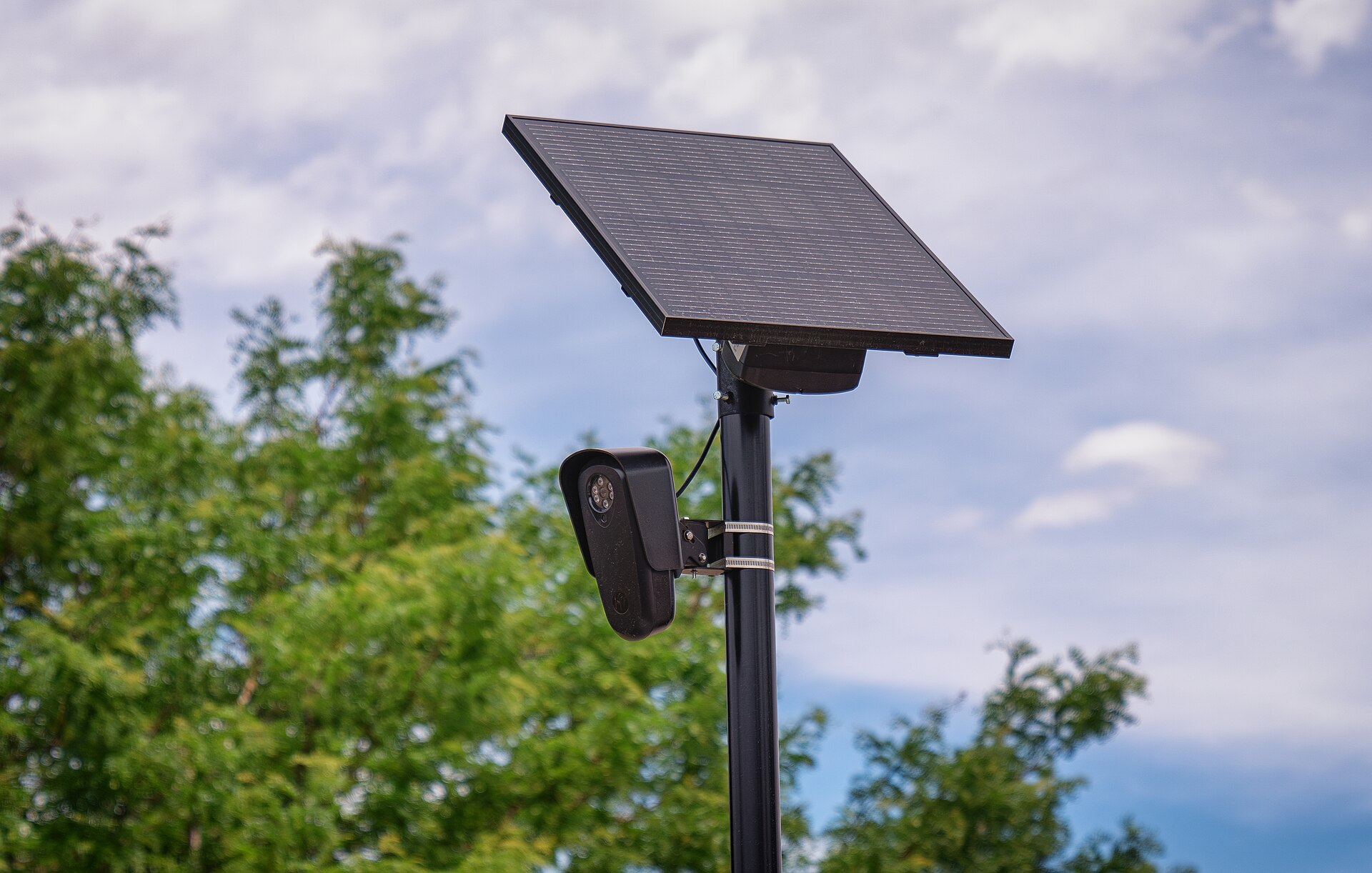
Once I started looking, I found them everywhere — at shopping center entrances, on neighborhood arterials, near freeway on-ramps. They are Flock cameras, and in 2026 they have become one of the most argued-about pieces of hardware in American public life. Police chiefs call them indispensable. Privacy advocates call them a nationwide tracking web built without anyone voting for it. City councils from Arizona to Massachusetts are holding packed, emotional meetings over whether to keep them.
So I set out to understand what, exactly, was watching my commute — and who gets to decide what happens to the pictures it takes.
What a Flock camera is
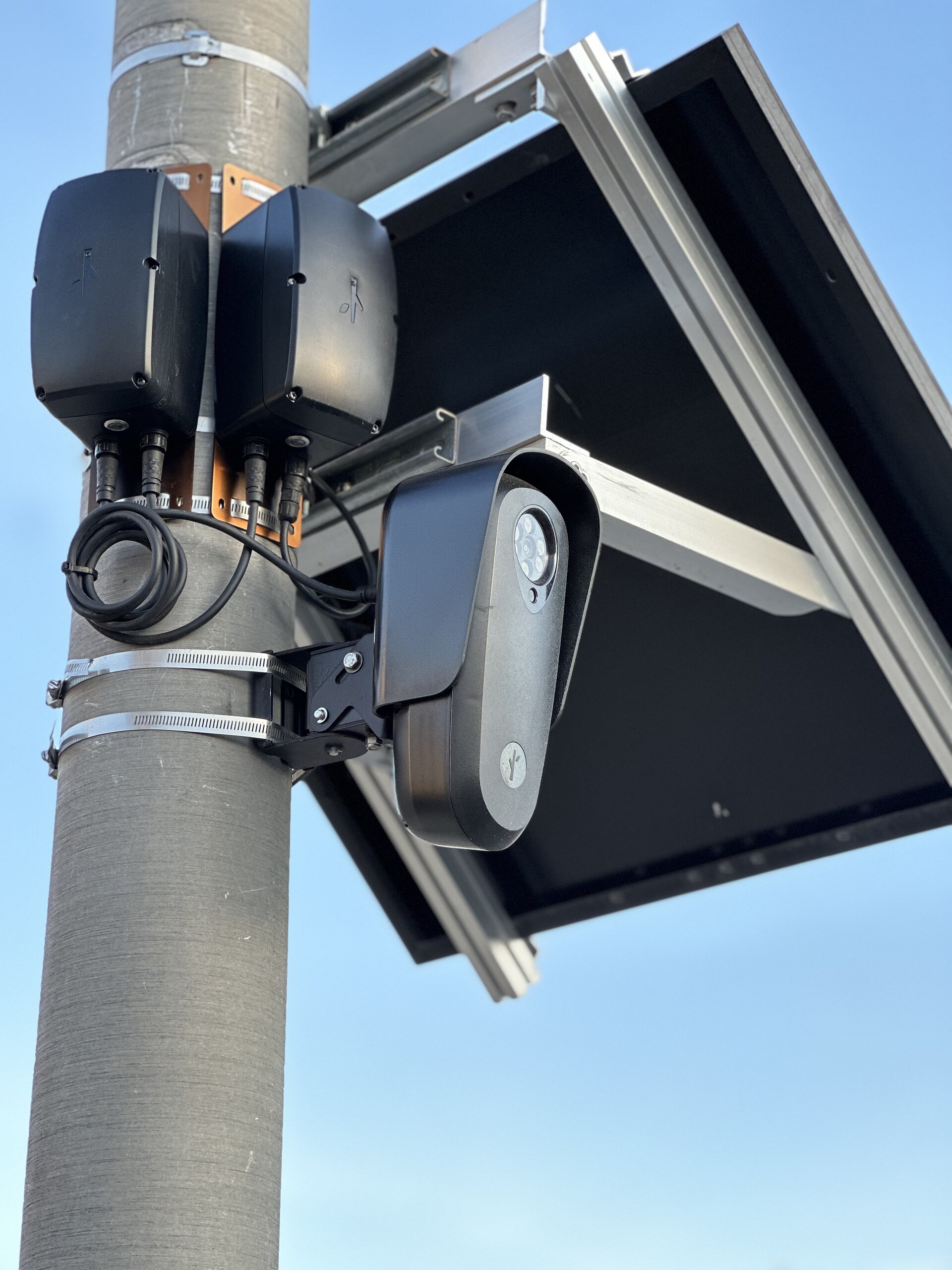
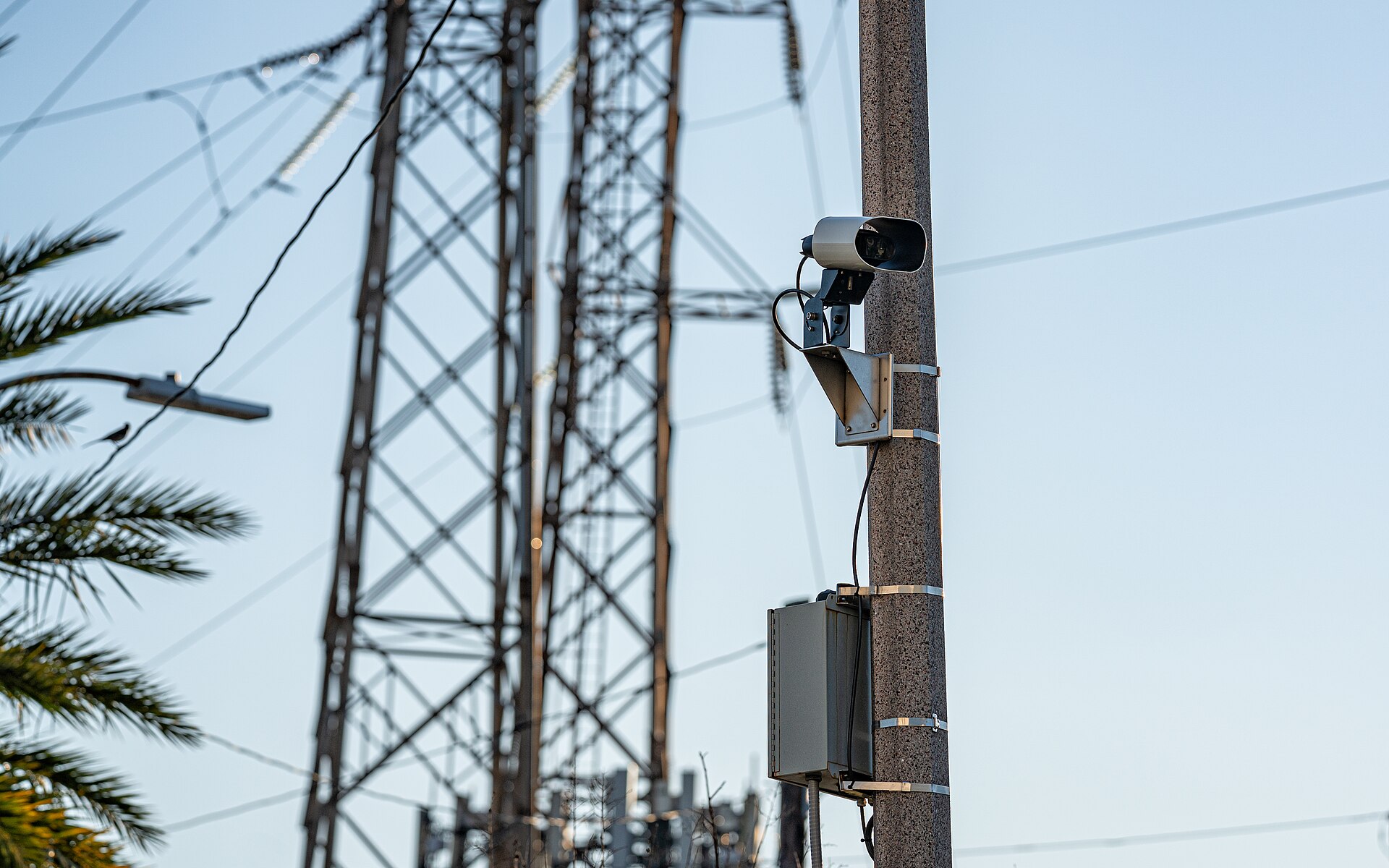
A Flock camera is an automated license plate reader, or ALPR. Unlike a traditional security camera that streams hours of grainy video, it snaps still images of passing vehicles and uses software to turn them into searchable data. According to the company, each read logs the plate number along with the vehicle's characteristics, its location and the time it passed. Flock markets this as a vehicle “fingerprint”: even a car with a missing or obscured plate can be found by make, color, a roof rack or a dented bumper.
Those records flow into a cloud database that police can search, sometimes across city, county and state lines. That networked reach is what separates Flock from older plate readers bolted to patrol cars.
The company behind it, Flock Safety, was founded in Atlanta in 2017 by Garrett Langley, who still serves as CEO. It went through the Y Combinator startup accelerator and has since grown into one of the most valuable firms in the security industry, reportedly raising about $950 million at a $7.5 billion valuation. Flock now says it runs more than 120,000 cameras across 49 states, serving roughly 6,000 communities and about 5,000 law enforcement agencies. A September 2026 Congressional Research Service report noted that advocates had mapped more than 137,000 plate readers nationwide, with over 80% attributed to Flock.
The product line has also widened. After buying the drone company Aerodome in 2024, Flock began selling “Drone as First Responder” systems, and it opened a manufacturing plant in Smyrna, Georgia, to build them.
Why police want them
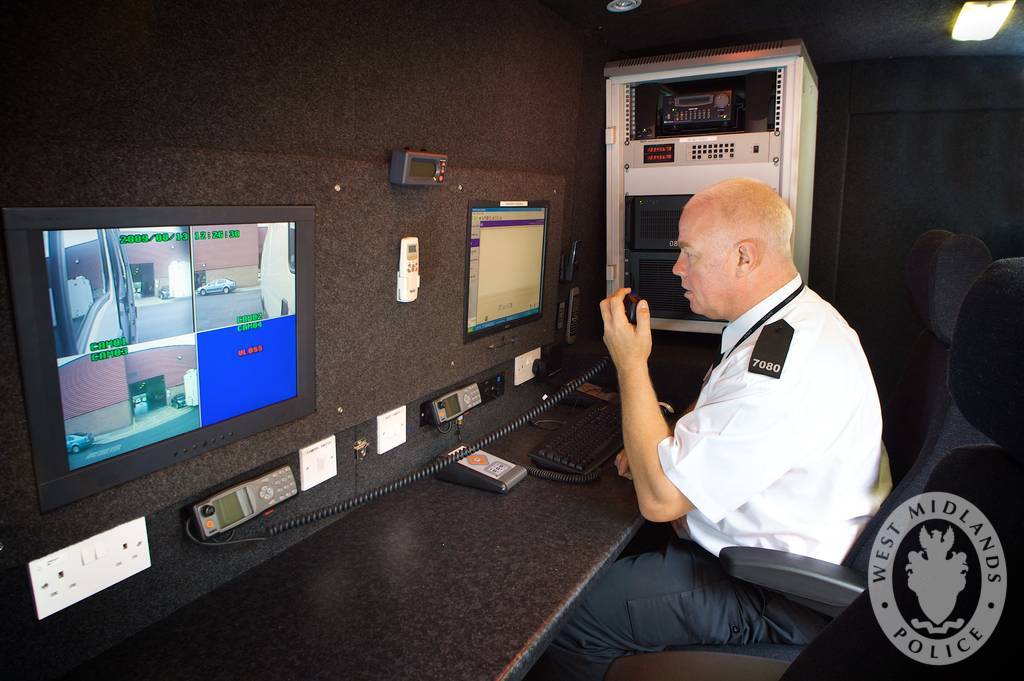
To understand the appeal, you have to see the technology through an investigator's eyes. A stolen car, a hit-and-run, an Amber Alert, a shooting suspect who fled in a gray pickup — each of these used to depend on a witness remembering a partial plate. With a Flock network, a detective can type in a description and see where that vehicle has been, often within minutes.
The success stories are real. In Buckeye, Arizona, police use 77 Flock cameras to find stolen cars, missing people and wanted suspects; this past April, plate reader data helped officers track down and arrest a truck driver accused of firing shots in a parking lot. In California, CalMatters reported on a case in which a city's network of 102 plate readers — eight of them Flock units — helped detectives quickly rule out one suspect in a woman's assault and arrest another at the Mexican border.
Even cities walking away from Flock concede the point. When Tempe, Arizona, switched off its 33 cameras in August, an official acknowledged, “These cameras have helped our police officers do their jobs.” California sheriffs, for their part, have argued that older plate data has cracked cold cases and missing-person investigations, which is why they resist strict deletion rules.
Flock also stresses accuracy. The company says its system produces fewer than nine human-reported errors for every one million alerts, and that alerts are meant as investigative leads, not grounds for an arrest on their own. Officers, it says, should visually confirm a plate before acting.
The privacy backlash
The same feature that makes Flock useful — a searchable record of where cars go — is exactly what alarms its critics. The camera doesn't only log suspects. It logs everyone: the nurse heading to a night shift, the teenager driving to a friend's house, me on my way to the grocery store. Stitch enough reads together and you have a rough map of a person's life.
The abuses that have surfaced this year have turned that abstract worry into headlines. In August, The Washington Post reported that nearly 50 police officers had been charged or accused of using Flock for unauthorized purposes, many of them tracking current or former romantic partners. In Savannah, Georgia, four officers and two civilian employees were fired after an internal probe found improper searches of acquaintances and relatives. Officers in Chandler and Apache Junction, Arizona, resigned amid similar accusations. Earlier, a Texas officer drew national outrage for running a nationwide search through tens of thousands of cameras for a woman who had had an abortion.
Errors carry their own danger. In Wisconsin, a woman named Amber Newell was pulled over at gunpoint on Interstate 94 after a stale homicide alert flagged her car; Milwaukee police later blamed an employee who failed to clear the old alert. Bay Area privacy advocate Brian Hofer was likewise held at gunpoint after a plate reader wrongly told deputies he was driving a stolen vehicle.
Then there is immigration. Reports that local Flock data had been searched on behalf of federal immigration authorities — including through a federal pilot program, according to Oakland Privacy — set off alarms in cities that had promised not to assist deportations. Flock maintains that ICE has no direct access to its cameras, systems or data. Security has been questioned too: in January, the company acknowledged that some live police camera feeds had been exposed online.
The result has been a wave of cancellations. Secure Justice, an Oakland advocacy group, counts 214 cities and counties that have dropped Flock since 2021, including 90 in August 2026 alone — a fourfold jump from July. The Los Angeles Police Department let its agreement lapse pending stronger data terms. Framingham, Massachusetts; Bend, Oregon; Dunwoody, Georgia; and Tempe have all pulled the plug. Some residents haven't waited for a vote: cameras have been vandalized from Texas to Arizona.
Facing that pressure, Flock announced a major overhaul on August 13. It cut its default recommended retention period from 30 days to seven, added an “Evidence Mode” to preserve data tied to active cases, made its misuse-detection audit tool and case codes mandatory by year's end, required multi-factor authentication and promised to automatically suspend users whose searches look abnormal. Cities can now also block outside agencies from running certain searches, such as immigration enforcement. Langley described the changes as “the next chapter of a long book.” The ACLU called shorter retention a possible step forward but urged a 48-hour limit, and warned Evidence Mode could become a loophole.
What lawmakers are doing
There is still no federal law governing how police use plate readers, and the state rules form a patchwork. That is starting to change, and unusually, the push comes from both parties.
Washington state moved first this year. Gov. Bob Ferguson signed a law on March 30 that bars immigration enforcement from using the data, requires agencies to log every access for two years and directs the attorney general to write model policies by July 1, 2027; Flock says it is already applying the law's 21-day retention limit. Republican-led Arkansas, Idaho, Montana and Virginia passed their own data protections in 2025.
Other states are lining up for 2027. Minnesota Democrats have proposed deleting plate data within 48 hours unless it's tied to an active case and barring out-of-state sharing without a warrant. A bipartisan Pennsylvania group plans a bill with audit trails, retention limits and civil penalties for misuse. In August, Nevada lawmakers voted unanimously to request a bill requiring written policies, user training and independent audits.
California, meanwhile, keeps stalling. In September, a bill by state Sen. Sabrina Cervantes died without a final vote — the fifth straight year the Legislature failed to tighten plate reader rules. Gov. Gavin Newsom vetoed her 2025 version, citing its 60-day deletion mandate and the cost of state audits.
In Congress, a bipartisan amendment that would have tied most plate reader use to federal highway dollars died in committee in May. Newer proposals include the No FLOCK Act, which would cut states' highway funding by 10% starting in October 2028 unless they limit readers to five uses, such as stolen cars and missing persons. Other bills would bar federal agencies from buying the cameras or stop local police from using federal grants to buy them. Sen. Josh Hawley argued Americans “do not surrender their privacy rights when they drive to work.” Flock counters that more than 40 courts have found warrants unnecessary for plates in public view, and it has spent heavily on lobbying. With President Trump publicly backing the cameras, passage is far from certain.
Where this leaves me
The camera on my commute is still there. After weeks of reporting, I don't think the honest answer is that it's either a hero or a villain. It has helped find stolen cars and missing people. It has also been used by officers to stalk ex-partners and has sent innocent drivers to the pavement at gunpoint.
What strikes me most is how few of us were asked. These systems spread city by city, often through quiet contracts, long before most drivers knew they existed. Now that the public is paying attention, the real decisions — how long the data is kept, who can search it, and why — are moving into council chambers and statehouses. Langley is slated to defend his company's approach at TechCrunch Disrupt in San Francisco this month. The rest of us will be watching, and, whether we like it or not, being watched.