
Locking the Vault While It's Open: Confidential Computing Moves to the Center of the AI Privacy Fight
September 27, 2026
As companies pour medical records, financial data, and trade secrets into cloud AI, hardware that keeps information sealed even while it is being processed is going mainstream. New research shows it still has weak spots.
For decades, data security had a gap in the middle. Companies learned to encrypt information stored on disks and encrypt it again as it traveled across networks. But when that data was used—to run a calculation, answer a query, or feed an AI model—it had to be decrypted in memory, where anyone with enough control of the machine could potentially see it.
Confidential computing is designed to close that gap. It isolates data inside a secure area of a smartphone or server chip while it is being processed, so neither the cloud provider running the hardware nor an attacker who has compromised the wider system can read what is inside.
How It Works
Security specialists describe confidential computing as the third leg of a stool: encryption at rest protects stored data, encryption in transit protects moving data, and confidential computing protects data while it is in use.
The protection is built into hardware-based Trusted Execution Environments, or TEEs. Technologies such as Intel TDX and AMD SEV-SNP decrypt information only inside an isolated zone. The server operating system, cloud administrators, and other software outside that zone see scrambled data.
Attestation adds proof. Before sending sensitive material to the cloud, an organization can cryptographically verify that the expected secure code is running inside a genuine enclave. That replaces a provider's promise with a checkable claim.

From Niche Tool to Strategic Priority
Confidential computing spent years as specialist technology for banks, governments, and cryptographers. AI is rapidly changing that. Research groups now expect protection for data in use to become a standard part of enterprise infrastructure as organizations move regulated and proprietary information into shared computing environments.
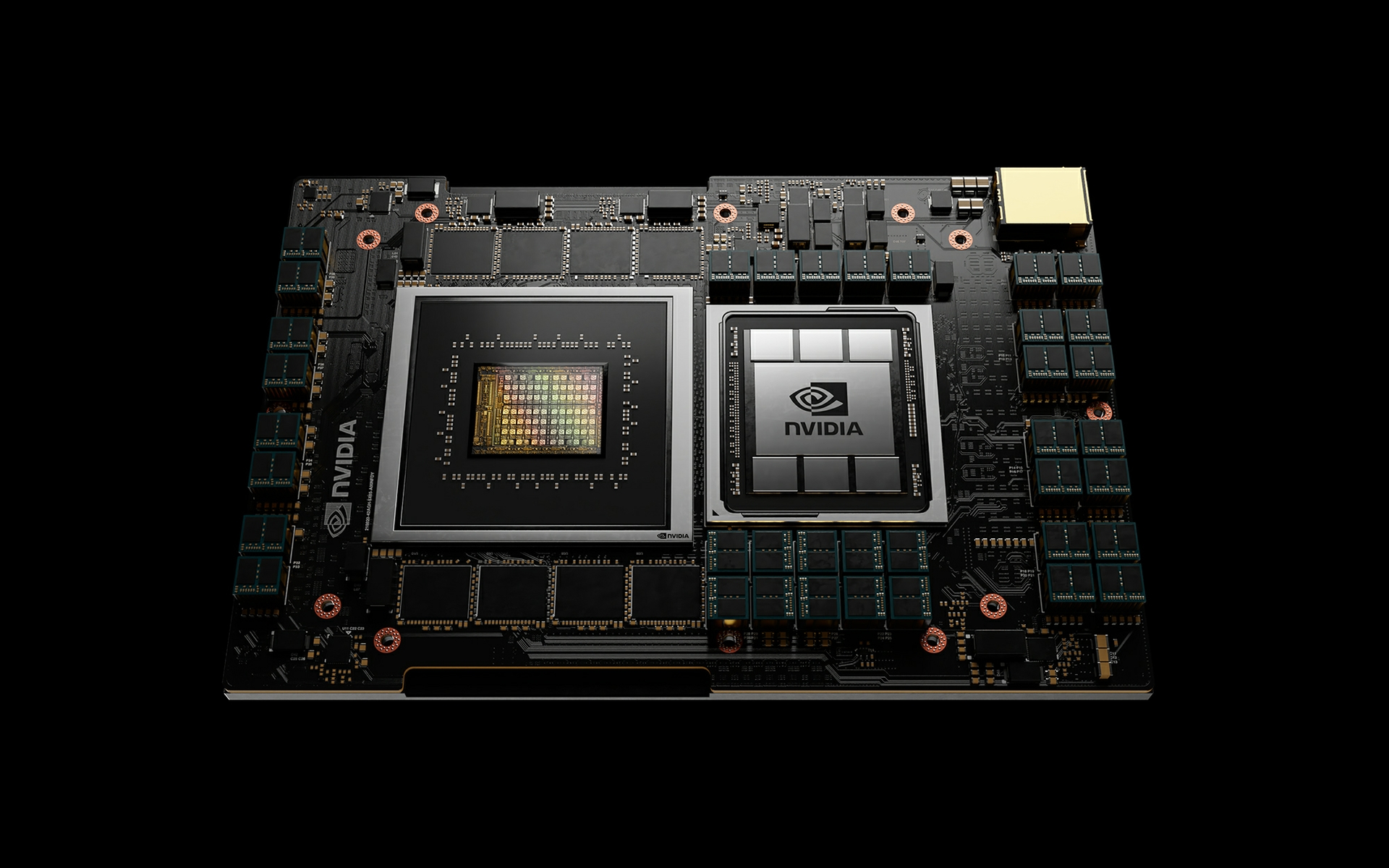
The work is also expanding beyond central processors. Modern AI depends heavily on graphics processors, multi-GPU systems, containers, and increasingly autonomous agents. A protected CPU offers limited value if data becomes exposed when it moves to an accelerator, so chipmakers are extending confidential-computing controls across the whole system.
From the Phone to the Cloud
Consumers are beginning to encounter this technology without seeing it. When a phone hands an AI request to a cloud model because the task is too demanding to process locally, confidential infrastructure can limit who is able to inspect that request.
Apple's Private Cloud Compute is one prominent example of the idea. Its architecture illustrates how an organization can run private workloads on outside infrastructure while using technical controls and verification to reduce the need to trust the host blindly.

The Business Case
Hybrid clouds, shared AI services, and collaboration between companies mean sensitive data rarely stays inside one locked-down building. Confidential computing can make previously risky work more practical.
Hospitals could pool patient information to train diagnostic systems without exposing individual records to one another. Banks could jointly analyze transactions for fraud without revealing customer details to competitors. AI developers and clients could work together without either side surrendering its most valuable asset—the customer's data or the developer's model.
It is not a replacement for access controls, secure software, monitoring, or careful data governance. It is another foundation, increasingly important in environments where AI touches regulated or proprietary information.
Cracks in the Enclave
Recent research is a warning against overselling the guarantee. DDRop, an attack demonstrated against Intel TDX, Intel Scalable SGX, and AMD SEV-SNP, targets the DDR5 memory used in current servers. Researchers showed that relatively inexpensive hardware placed between memory and the system could interfere with protected workloads.
The technique requires physical access to server hardware, which puts it outside the reach of most remote attackers. But insiders at data centers and well-resourced adversaries are exactly part of the threat model confidential computing is meant to address.
Each finding is a reminder that the promise depends on implementation details across chips, memory, firmware, and system design—not on encryption alone.
What Comes Next
Confidential computing is moving toward a default expectation, propelled by AI's appetite for sensitive data and closer regulatory scrutiny of how that data is handled. The next test is whether protection can remain reliable as it stretches across GPUs, AI agents, and sprawling cloud systems.
For organizations deciding what to feed into AI, the technology offers something that was not widely available a few years ago: a way to verify, rather than simply trust, that data remains private while it is being used. Its value will depend on how quickly defenders respond whenever researchers find a new route inside.